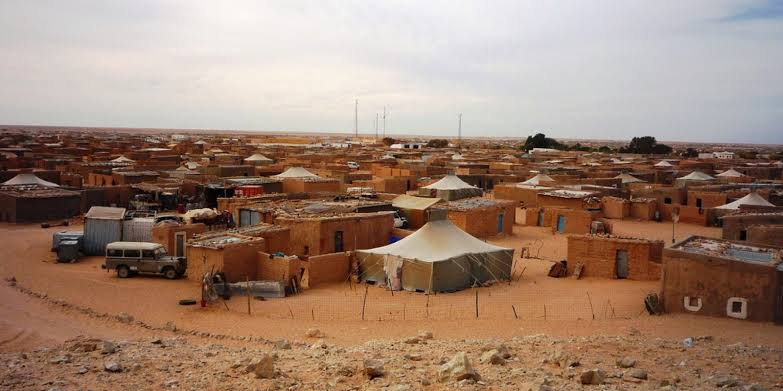
As needs continue to grow while budget constraints force difficult choices, Morocco on Wednesday called on the United Nations High Commissioner for Refugees (UNHCR) to place “durable solutions” at the heart of its budget planning for the Tindouf camps in Algeria, arguing that decades of funding have perpetuated a “costly system of maintenance” rather than contributing to a lasting resolution of the situation.
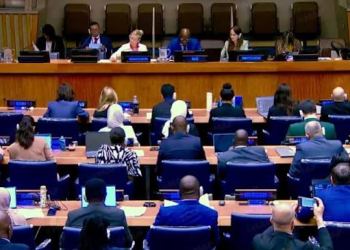
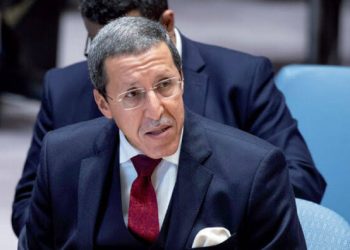
These durable solutions include the dignified return of the populations concerned, in line with the solemn appeal by His Majesty King Mohammed VI, resettlement in third countries willing to contribute, and integration in the host country, Morocco’s Permanent Representative to the United Nations and other international organizations in Geneva, Ambassador Omar Zniber, said Wednesday during a session of the UNHCR Standing Committee.
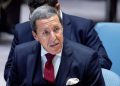
“Since 2021, UNHCR has mobilized nearly $90 million in the Tindouf camps in Algeria. At the same time, year after year, everything has deteriorated: the malnutrition rate has doubled, economic self-reliance has disappeared, and access to employment remains prohibited—so spending has increased while hope has declined,” he said.
According to Zniber, these figures “do not describe a protection program” but rather “a system of maintenance,” which is costly in a context of tight budgets and insufficient to meet the needs of the people concerned.
In this regard, the ambassador recalled that international refugee law provides for “three durable solutions,” namely “voluntary repatriation, resettlement, and integration in the host country,” stressing that these solutions can help bring an end to the continued expenditure associated with protracted displacement situations.
He further said that the Kingdom “fully assumes its share of this responsibility,” stressing that this commitment now falls within “a transformed framework: by adopting Resolution 2797, the Security Council endorsed the Moroccan autonomy initiative, opening a political horizon where only the status quo had previously remained.”
In this regard, “the solemn appeal by His Majesty King Mohammed VI for the dignified return of the populations concerned constitutes a commitment to receive them, without conditions and on a strictly individual and voluntary basis,” the diplomat said, adding that Morocco “also supports, with the same conviction, the other two solutions: resettlement in third countries willing to contribute and integration in the host country, according to each person’s free choice.”
This approach is not isolated, he argued, noting that a significant number of donor states, including some of the largest contributors to the UNHCR budget, have declared themselves “ready to finance what resolves rather than what persists.”
Zniber therefore urged UNHCR to “seize this opportunity by placing durable solutions at the heart of its budget planning” and, together with the states concerned and willing partners, to examine the three solutions ahead of the Executive Committee session.
“The objective of halving protracted displacement situations by 2035 is first and foremost a budgetary objective: it will be decided nowhere other than here, through the allocation of every dollar,” he concluded.
MAP: 09 September 2026