A group of 40 states reaffirmed, on Tuesday in Geneva, its support for the “full and complete sovereignty” of Morocco over its Southern Provinces, stressing that the Sahara issue is a political dispute falling under the purview of the United Nations Security Council and highlighting the exclusivity of a solution based on the Moroccan Autonomy Initiative.
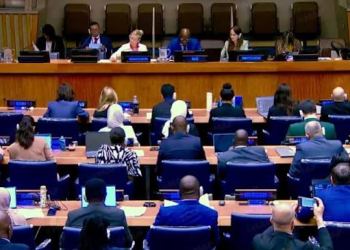
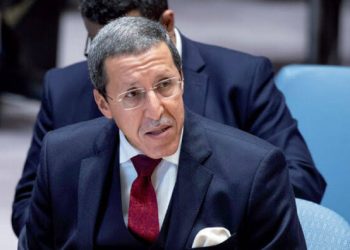
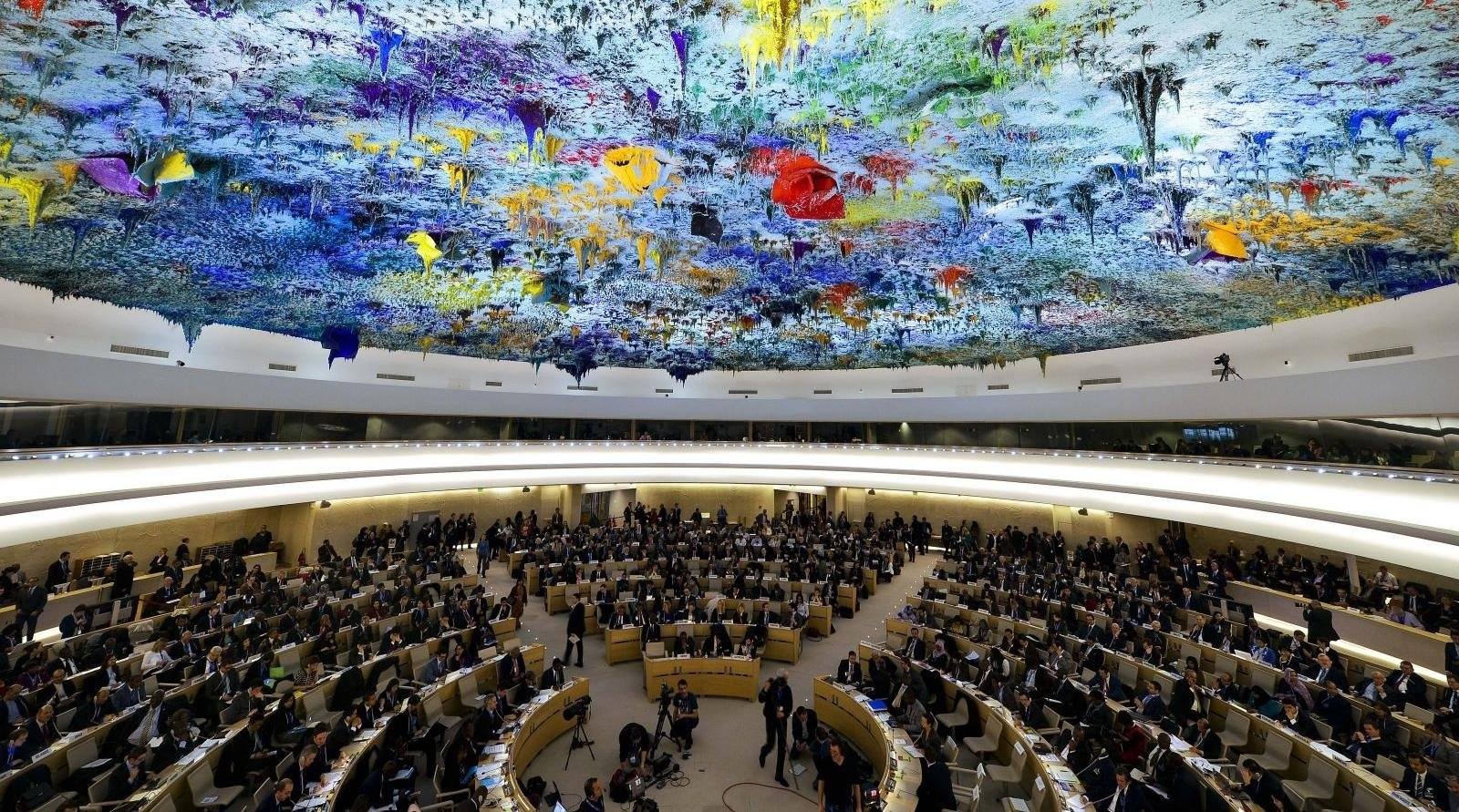
In a statement delivered during the 63rd session of the Human Rights Council by Morocco’s Permanent Representative to the UN Office at Geneva, Ambassador Omar Zniber, the group stressed that the Sahara issue is a political dispute being dealt with by the Security Council, which has affirmed that genuine autonomy under Moroccan sovereignty could be a most feasible outcome.

The group expressed its support for the implementation of Security Council Resolution 2797, adopted on October 31, 2025, aimed at relaunching the political process through negotiations among the four parties specifically named in the resolution, on the basis of Morocco’s Autonomy Plan, with a view to reaching a definitive and mutually acceptable political solution to the dispute.
In this context, the 40 states welcomed “Morocco’s updating and detailing of its Autonomy Plan” and “its commitment to guarantee the return and integration of the populations of the Tindouf camps on the basis of equality among all Moroccan citizens, within the framework of international guarantees and recognized practices in this field.”
The group also welcomed Morocco’s long-standing commitment to “constructive, voluntary and in-depth interaction” with the United Nations human rights system, in particular the Office of the High Commissioner for Human Rights (OHCHR) and the special procedures of the Human Rights Council, for the promotion and respect of human rights throughout its territory.
The statement, delivered under agenda item 2, stressed that “the interaction of Member States with the Council and the High Commissioner must remain bilateral in nature and be protected from any exploitation.”
The 40 states also welcomed the opening by numerous countries of consulates general in the cities of Dakhla and Laayoune, describing them as “a lever for strengthening economic cooperation and investment, benefiting local populations and regional and continental development.”
“The resolution of this regional dispute will help to realize the legitimate aspirations of African and Arab peoples for integration and development, a goal that Morocco continues to pursue and for which it is making sincere and continuous efforts,” the statement concluded.
MAP:08 September 2026