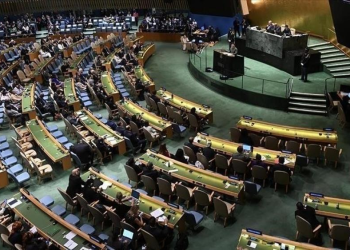
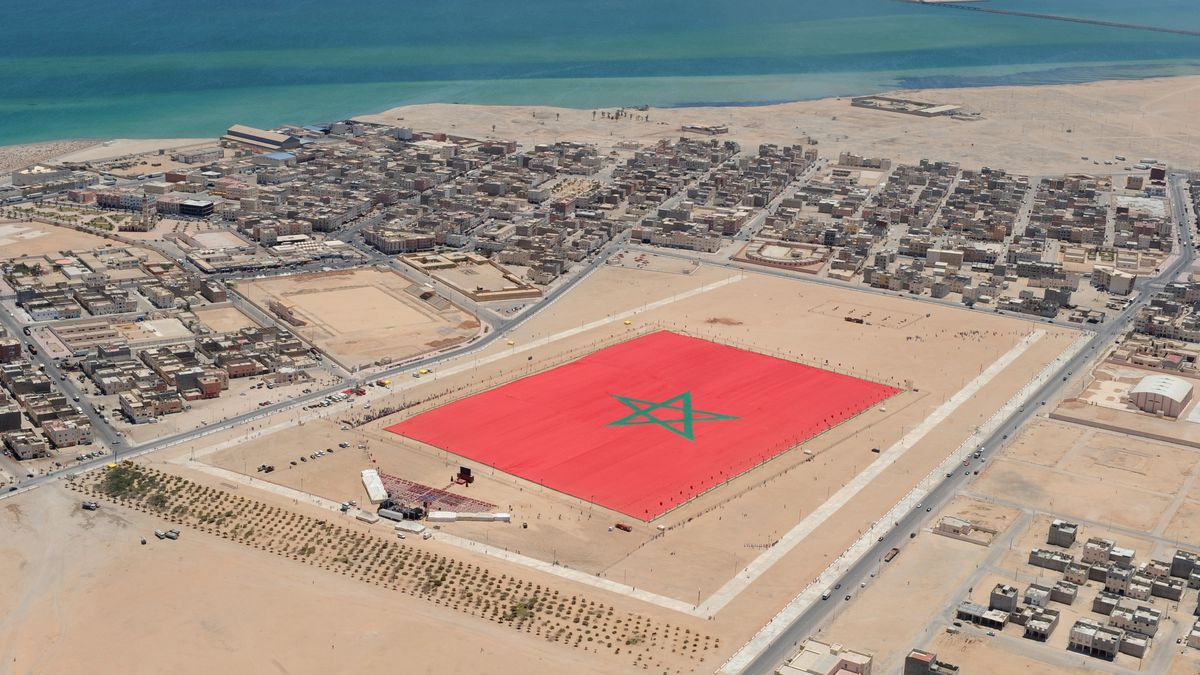
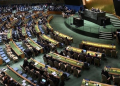
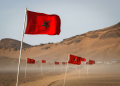
Several countries in Latin America and the Caribbean, speaking Monday during a General Assembly debate on the use of the veto, reiterated their firm support for Morocco’s autonomy initiative and the Kingdom’s sovereignty over its Sahara.
Speaking on this occasion, the representative of Paraguay reaffirmed the need to move toward a peaceful and lasting solution to the issue of the Moroccan Sahara, based on a serious, credible, and realistic proposal.
The Republic of Paraguay, he said, believes that “this solution must be based on respect for the sovereignty and territorial integrity of the Kingdom of Morocco, as well as on recognition of the efforts made by that country to reach a mutually acceptable political solution.”
In this context, the representative of Paraguay reiterated “his country’s support for Morocco and its initiative to negotiate an autonomy status for the region, with a view to achieving a peaceful, just, and lasting settlement of this issue.”
Paraguay views this initiative “as a serious and credible proposal, leading to a peaceful solution,” the diplomat emphasized.
For his part, the representative of the Dominican Republic reaffirmed his country’s support “for the sovereignty and territorial integrity of the Kingdom of Morocco,” adding that the Dominican Republic supports the Kingdom’s efforts toward a “peaceful resolution to this regional conflict.”
“The autonomy plan proposed by Morocco is the only solution to the Sahara dispute,” he stated, welcoming, in this regard, “the broad international support that the Moroccan initiative has garnered.”
Taking the floor, Antigua and Barbuda expressed its conviction that “Morocco’s autonomy plan offers a practical basis for negotiations toward a mutually acceptable political solution,” and in this regard called on “the parties concerned to engage seriously with this proposal within the framework of the United Nations process.”
In addition, the speakers commended Morocco’s commitment to upholding the ceasefire, urging the other parties to do the same in order to preserve security and stability in the region and beyond.
MAP: 24 November 2026